

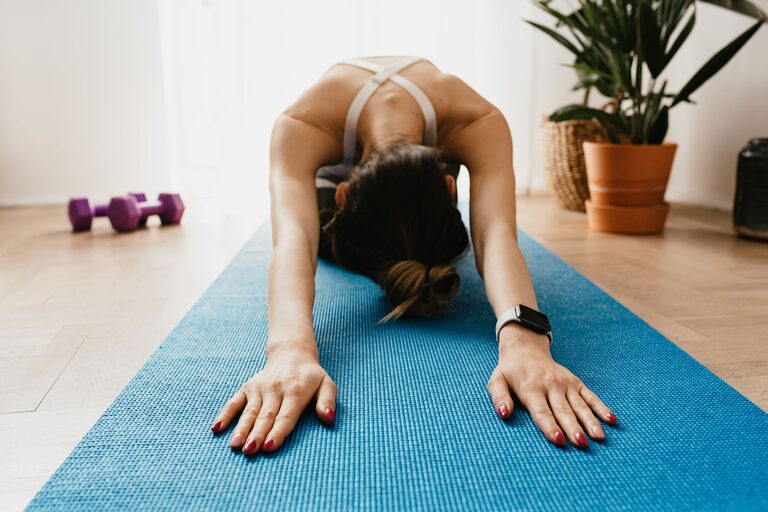
Stretching is a simple yet powerful way to improve your physical health, enhance flexibility, and reduce muscle tension. Whether you’re new to fitness or looking to add a gentle routine to your day, stretching at home offers a convenient and low-cost option. This beginner’s guide will walk you through the basics of stretching, tips for a safe and effective practice, and some easy stretches you can do anytime.
Why Stretching Matters
Stretching helps maintain the elasticity of muscles and tendons, increasing your range of motion and lowering the risk of injury. It can also improve circulation, reduce stiffness, and promote relaxation. Regular stretching is beneficial regardless of your fitness level or age, making it an essential part of any wellness routine.
When to Stretch
You can stretch at different times depending on your goals:
– Before exercise: Dynamic stretches prepare your muscles for activity by warming them up.
– After exercise: Static stretches help your muscles cool down and recover.
– Anytime during the day: Gentle stretching can relieve tension if you sit for long periods or experience muscle tightness.
For beginners, it’s best to start slow and focus on gentle, static stretches after light warm-up or at the end of your day.
Stretching Safely: Tips for Beginners
Before you start stretching, keep these safety tips in mind:
- **Warm up first:** Stretching cold muscles can cause injury. Light walking or marching in place for 5 minutes is a good warm-up.
- **Move slowly:** Avoid bouncing or jerky motions. Stretch smoothly to the point of slight tension, not pain.
- **Breathe deeply:** Inhale and exhale steadily to help muscles relax.
- **Hold stretches:** Aim to hold each stretch for 15 to 30 seconds.
- **Listen to your body:** Stop if you feel sharp pain or discomfort.
- **Be consistent:** Stretch regularly, ideally daily or at least 3-4 times a week, for the best results.
Basic Stretching Routine for Beginners
Here’s an easy routine to get started. Perform these stretches in a calm space with comfortable clothing, and consider using a yoga mat or soft surface.
1. Neck Stretch
– Sit or stand up straight.
– Slowly tilt your head toward your right shoulder until you feel a gentle stretch on the left side of your neck.
– Hold for 20 seconds, then switch sides.
2. Shoulder Rolls
– Stand or sit with your back straight.
– Lift your shoulders toward your ears, then roll them back and down in a smooth circle.
– Repeat 10 times, then reverse the direction.
3. Chest Opener
– Stand tall and clasp your hands behind your back.
– Straighten your arms and gently lift your hands upward while opening your chest.
– Hold for 20 seconds, breathing deeply.
4. Cat-Cow Stretch (Spine Mobility)
– Get down on your hands and knees in a tabletop position.
– Inhale as you arch your back (cow pose), lifting your head and tailbone.
– Exhale as you round your back (cat pose), tucking your chin and pelvis.
– Repeat this flow 5-8 times.
5. Seated Forward Bend
– Sit on the floor with legs extended straight.
– Keep your back straight and gently lean forward from the hips.
– Reach toward your toes without forcing. Hold for 20-30 seconds.
6. Hip Flexor Stretch
– Kneel on your right knee with your left foot in front, knee bent.
– Shift your weight forward to stretch the front of your right hip.
– Hold for 20 seconds, then switch sides.
7. Hamstring Stretch
– Lie on your back and raise your right leg toward the ceiling, holding behind your thigh or calf.
– Keep your left leg bent or straight on the floor.
– Hold for 20 seconds, then switch legs.
Additional Tips for Success
– Create a routine: Choose a time that fits your daily schedule, whether in the morning, during breaks, or before bed.
– Use props: Yoga blocks, straps, or even a towel can help deepen stretches safely.
– Stay hydrated: Drinking water supports muscle health and flexibility.
– Combine with other exercises: Stretching complements activities like walking, yoga, or strength training.
– Track progress: Notice how your flexibility improves over weeks to stay motivated.
When to Seek Professional Advice
If you have chronic pain, recent injuries, or medical conditions, consult a healthcare professional or physical therapist before beginning a stretching routine. They can tailor stretches to your specific needs.
Final Thoughts
Starting a stretching practice at home is an accessible way to promote physical and mental well-being. With simple exercises, mindful breathing, and consistency, you can enjoy greater flexibility, reduced muscle stiffness, and a more relaxed body. Remember, the key is to be gentle with yourself and listen to your body as you begin this healthy habit.
Happy stretching!