

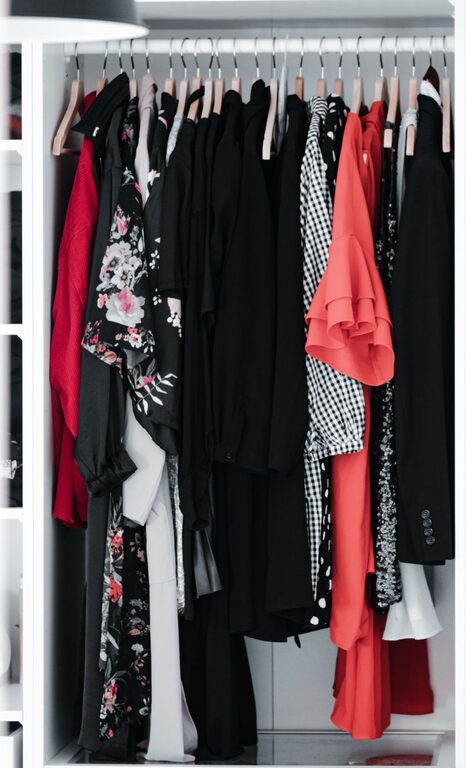
Storing seasonal clothes efficiently is essential for maximizing your living space and keeping your wardrobe in great condition. Whether you’re putting away winter coats for summer or packing up summer dresses for the colder months, proper storage techniques can make a big difference. In this post, we’ll explore practical strategies to help you organize, protect, and store your seasonal apparel with ease.
Why Proper Seasonal Storage Matters
When clothes are stored improperly, they can become wrinkled, faded, or even damaged by pests and moisture. Efficient storage not only saves space but also helps extend the life of your garments. Additionally, organized storage makes it easier to find what you need when the seasons change.
Preparing Clothes for Storage
Before packing away your clothes, preparation is key. Follow these steps to ensure your garments stay fresh and ready to wear:
1. Clean Your Clothes
Always wash or dry clean items before storing them. Dirt, oils, and sweat can attract pests and cause stains to set over time.
2. Repair Any Damage
Check for loose buttons, broken zippers, or small tears. Repairing these before storage prevents further damage.
3. Dry Thoroughly
Make sure your clothing is completely dry to avoid mold and mildew growth. This is especially important for fabrics like wool and cotton.
Choosing the Right Containers
Selecting suitable storage containers protects your clothes and helps organize your space.
1. Use Breathable Storage Options
Fabric storage bags, cotton bins, and canvas boxes allow air circulation, preventing musty odors and moisture buildup.
2. Avoid Plastic Bags for Long-Term Storage
Plastic can trap moisture and cause mildew, although vacuum-sealed bags can be useful for short-term, space-saving storage if used correctly.
3. Clear Bins for Easy Identification
Clear plastic bins let you see contents at a glance, which can save time when retrieving items.
4. Consider Cedar or Lavender
Adding cedar blocks or lavender sachets to your storage containers naturally repels moths and keeps clothes smelling fresh.
Organizing Your Seasonal Clothes
Organization helps you maximize space and maintain a tidy storage area.
1. Sort by Item and Frequency of Use
Group clothes by type — such as sweaters, pants, dresses — and keep frequently used items more accessible.
2. Label Everything
Use labels both on containers and shelves to identify what’s inside without opening every box.
3. Use Vacuum-Seal Bags for Bulky Items
Reduce the volume of bulky sweaters and coats by storing them in vacuum-seal bags. Just be mindful that some delicate fabrics may not fare well compressed for long periods.
Best Storage Locations
Choosing the right place to store your clothes is just as important as how you pack them.
1. Cool, Dry Spaces
Avoid attics or basements that may be too hot, cold, or humid. Closets inside the home are often the best option.
2. Elevated Storage
Keep boxes off the floor to prevent damage from potential leaks or pests.
3. Avoid Direct Sunlight
Sunlight can fade fabrics and weaken fibers over time. Store clothes away from windows or bright lights.
Maintaining Your Seasonal Wardrobe
Once your clothes are stored, a little maintenance can prevent surprises when you take them out again.
1. Check Periodically
Every few months, inspect stored clothes for signs of pests, moisture, or damage.
2. Air Out Clothes Before Storing
Give clothes a fresh air out after use to reduce odors and moisture content.
3. Rotate Items
Rotate stored clothes to prevent creases and keep fabrics fresh.
Tips for Specific Types of Clothing
Different fabrics and clothing types need tailored storage methods.
1. Wool and Cashmere
Fold these instead of hanging to avoid stretching. Use breathable bags and place cedar blocks nearby to prevent moth damage.
2. Delicates and Silks
Store in acid-free tissue paper inside boxes to protect from snags and discoloration.
3. Denim and Casual Wear
Clean thoroughly and fold or hang loosely to maintain shape.
4. Shoes and Accessories
Store shoes in clear boxes or use hanging organizers. Keep accessories like belts and scarves in designated bins or hooks.
Final Thoughts
Efficiently storing your seasonal clothes is about more than just putting them away. It’s about protecting your investment and keeping your wardrobe organized and ready for every season. By cleaning, organizing, and storing your clothes thoughtfully, you’ll save time, space, and frustration. Give these tips a try and enjoy a clutter-free closet all year round!